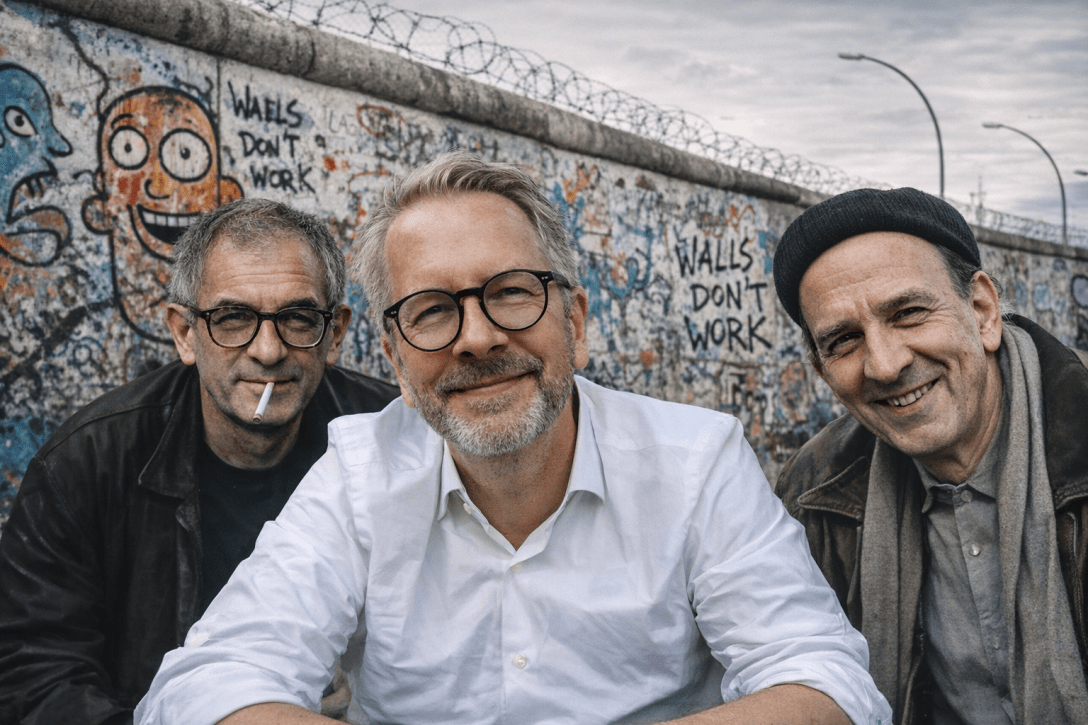
This January, I am delighted and honored to host Peter Jansson in Berlin. Over three events, we will explore cinema, psychoanalysis, and philosophy through a shared question. What can film show us when words fail. In this small series we will move from clinical practice, to theory, to an open public encounter with film. No… Continue reading Cinema, Silence, and the Real. Three Events with Peter Jansson in Berlin


 Leon Brenner