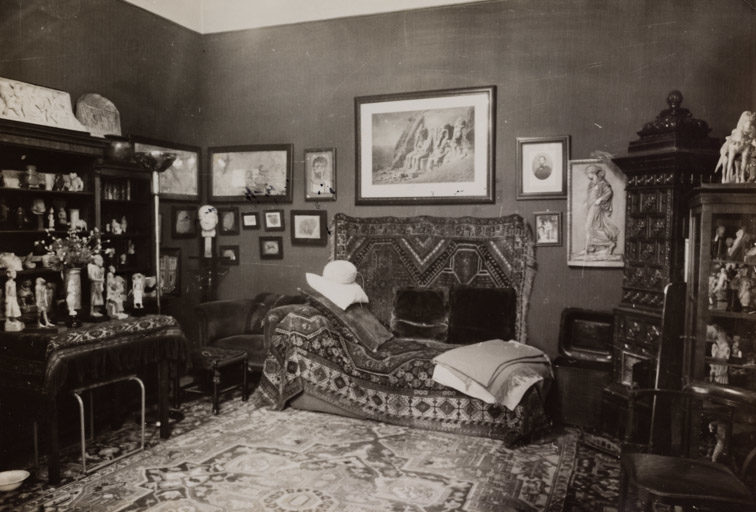
What Makes the Desire of the Analyst

The text discusses the motivations behind becoming a psychoanalyst, emphasizing that intentions of healing and understanding typically stem from fantasy, which misaligns with the true role of an analyst. It argues that actual desire for analysis emerges only through personal analytic experience, leading to a novel relation to suffering and desire, independent of moral goals.

Feelings Are Always Reciprocal

Lacan reminds us: love is not necessarily mutual. In analysis, it is the patient who loves, and the analyst who listens. This non-reciprocal love—far from being cold—is what makes psychoanalysis possible. Only by refusing to mirror love can the analyst help transform it, rather than dissolve it.

Working with Neurodiversity: Freud Lacan Institute Workshop in Dublin

I am excited to announce that I will be conducting a three-hour workshop on “Working with Neurodiversity” as part of the Program of Continuing Studies (PCS) at the Freud Lacan Institute in Dublin. 📅 Date: Saturday, June 15⏰ Time: 10:00 - 13:30 Dublin-GMT📍 Location: In-Person and via Zoom The Freud Lacan Institute is a fantastic Dublin-based initiative dedicated… Continue reading Working with Neurodiversity: Freud Lacan Institute Workshop in Dublin